
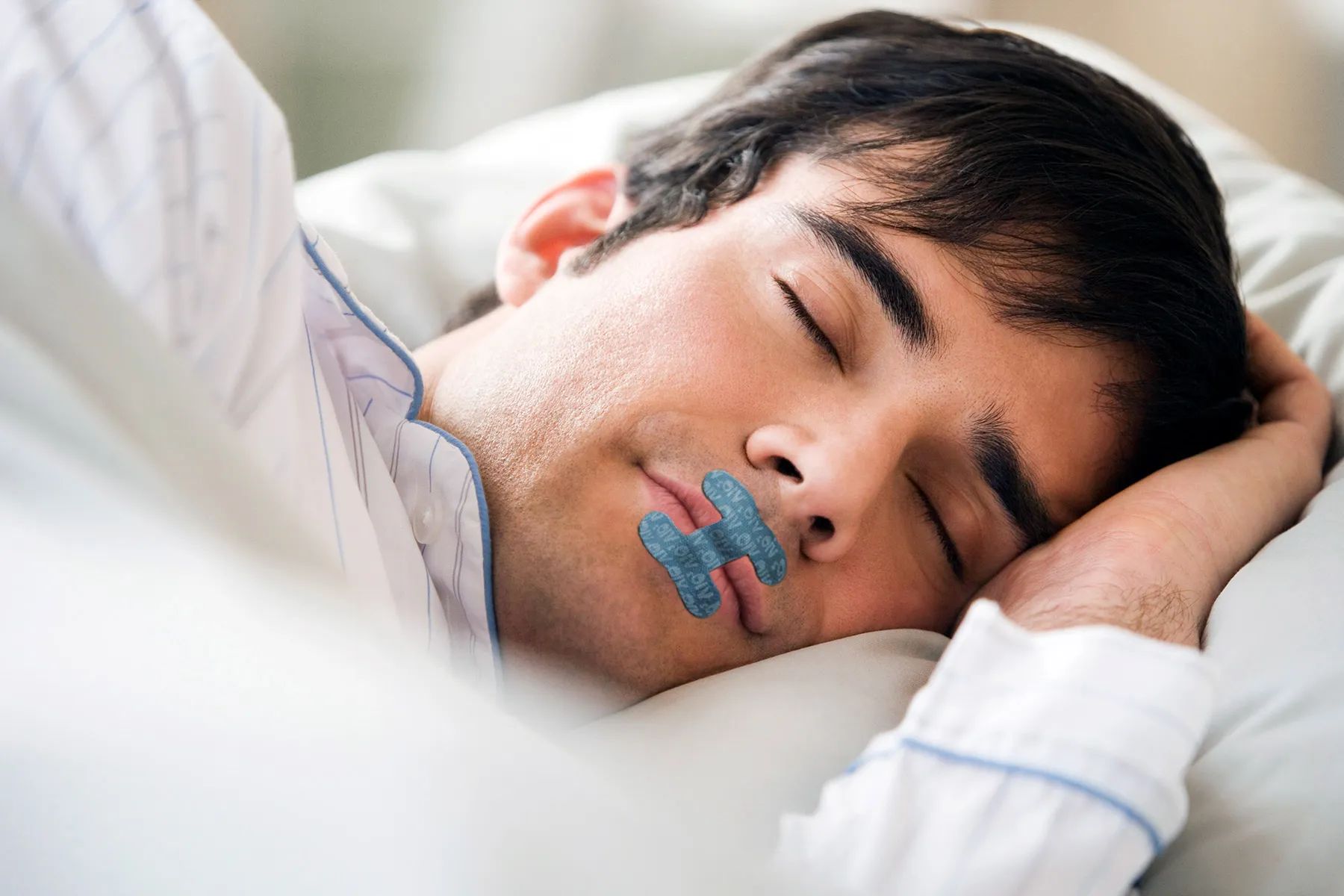
CAUSES AND TREATMENT OF MOUTH BREATHING DURING SLEEP
Some people tend to sleep with their mouths open to breathe. This can happen for several reasons, and with proper care, the condition can often be improved or its effects minimized.
Healthy individuals usually breathe through the nose during sleep. However, regular mouth breathing may indicate an underlying issue that needs medical attention.
Causes of Sleeping with the Mouth Open
Several factors can lead to mouth breathing while sleeping:
Nasal breathing difficulty: Obstructions such as enlarged adenoids or tonsils, nasal polyps, sinusitis, or chronic congestion may cause reliance on mouth breathing.
Sleep apnea: Repeated breathing interruptions during sleep can force the mouth to open for air.
Stress and anxiety: Tension can alter normal breathing patterns, resulting in faster, mouth-based breathing.
Habitual mouth breathing: Over time, mouth breathing can become an unconscious habit even after nasal passage improvement.
Temporary respiratory illness: Cold, flu, or sinus infections may temporarily block the nose and cause mouth breathing.
Dental or tooth pain: In children, especially during teething, discomfort may change breathing patterns.
Poor sleeping posture: An improper pillow height, awkward sleeping position, or lack of neck support can encourage mouth opening.
Symptoms Associated with Mouth Breathing During Sleep
Common accompanying symptoms include:
Noisy breathing or snoring: Often results from enlarged tonsils or adenoids.
Coughing, choking, or a suffocating sensation: Caused by dry air entering the throat or swallowing air.
Sleep disturbances or apnea-like symptoms: Indicate possible airway obstruction.
Dry mouth and bad breath: Due to prolonged dryness and decreased saliva flow.
Cracked lips and throat irritation: From continuous exposure to dry air.
Treatment for Sleeping with the Mouth Open
Treatment focuses on identifying and addressing the underlying cause. Consulting an ENT specialist (ear, nose, and throat doctor) is strongly recommended, as the problem often involves nasal airway blockage.
Possible treatment approaches include:
For sleep apnea: Using a specialized sleep mask (CPAP machine) to ensure steady airflow.
For enlarged tonsils or adenoids: Surgical removal may be advised if they severely obstruct breathing.
For nasal congestion or sinusitis: Medical management with decongestants, nasal sprays, or antibiotics when needed.
For stress or anxiety: Relaxation exercises, stress management, or behavioral therapy may help improve breathing patterns.
Risks of Mouth Breathing During Sleep
If left unaddressed, mouth breathing can lead to several problems, such as:
Dental damage: Airflow through the mouth causes dryness and reduces the protective saliva coating on teeth, increasing the risk of tooth decay.
Bad breath and bacterial buildup: Dry mouth promotes bacterial growth and unpleasant odors.
Throat infections: Increased risk of sore throat, tonsillitis, and oral irritation.
Ways to Reduce the Risks
To lessen the negative effects of mouth breathing, try the following:
Drink a glass of water after waking up: Rehydrates oral tissues and stimulates saliva production.
Brush teeth before sleeping and after waking: Helps protect enamel, minimize bacterial growth, and freshen breath.
Sleep in a proper position: Use a pillow that supports the head and neck comfortably.
Use a humidifier: Keeps the air moist to reduce mouth dryness.